VARLHuman

Welcome to medicine that knows you.

Treat the person.
Not the average.

Your body is uniquely yours. The way we understand it should be, too. We look beyond a diagnosis to see the whole person. Our aim is to turn a deeper understanding of your biology into treatments designed for you and new ways to restore what disease or injury has taken away. Because knowing more is only the beginning. What matters is making more of life possible.

Knowing is one thing.
Changing it is another.

Same diagnosis. Different story.

A name isn’t an answer. Putting a name to a disease does not always mean we have an effective way to treat it. Why it progresses, which interventions it will respond to, and how lost function might be restored remain questions that need further research. And the same diagnosis does not tell the same story for everyone.

From promise to proof.

The road is long. The path from a promising idea to a reliable treatment is also long. One approach may not be effective enough. Another may reduce the problem it targets while causing harm elsewhere in the body. Finding a better answer means understanding not only the disease, but also the person living with it.

A model built around you.

Why we build personal models. That is why we are developing personalized biological models. These models allow us to examine the relationships underlying different measurements, investigate the mechanisms that sustain disease, and evaluate the potential effects of interventions together. We aim not only to help choose among existing treatments, but also to develop new medicines and approaches to repair when no adequate option exists.

Better candidates.

What we’re after. Our goal is not to bypass the testing that treatments must undergo. It is to bring better candidates to those tests. By evaluating what we learn from our models through experiments, we aim to open a new path where adequate answers do not yet exist.

Why we do this

More days
together.

Life is bigger than a report.

The meaning of a treatment is bigger than what fits in a report. Making a plan you had put off. Watching a child grow. One more conversation with someone you love. Or doing something on your own again that has needed help for a long time. This is where we see what research means in a life.

Behind every diagnosis, a person.

What moves us isn’t only how complex the human body is. It’s what could change in a person’s life when we understand it better. The person behind a diagnosis still has wishes, habits, people they love, and things they want to do. That’s what should sit at the center of the technology we build.

What becomes possible?

Every model, every experiment, every new approach comes back to one question. What could this make possible in a person’s life? More time? A function regained? A treatment option that doesn’t exist today? That’s where we look when we set the direction of our research.

Not longer. Fuller.

Living longer matters. So does how you get to live it. Not just waiting for the future, but being able to plan for it again. That’s what making more possible means to us.

See it through their eyes.

They have people they love, plans, and hopes for tomorrow. Just like you.

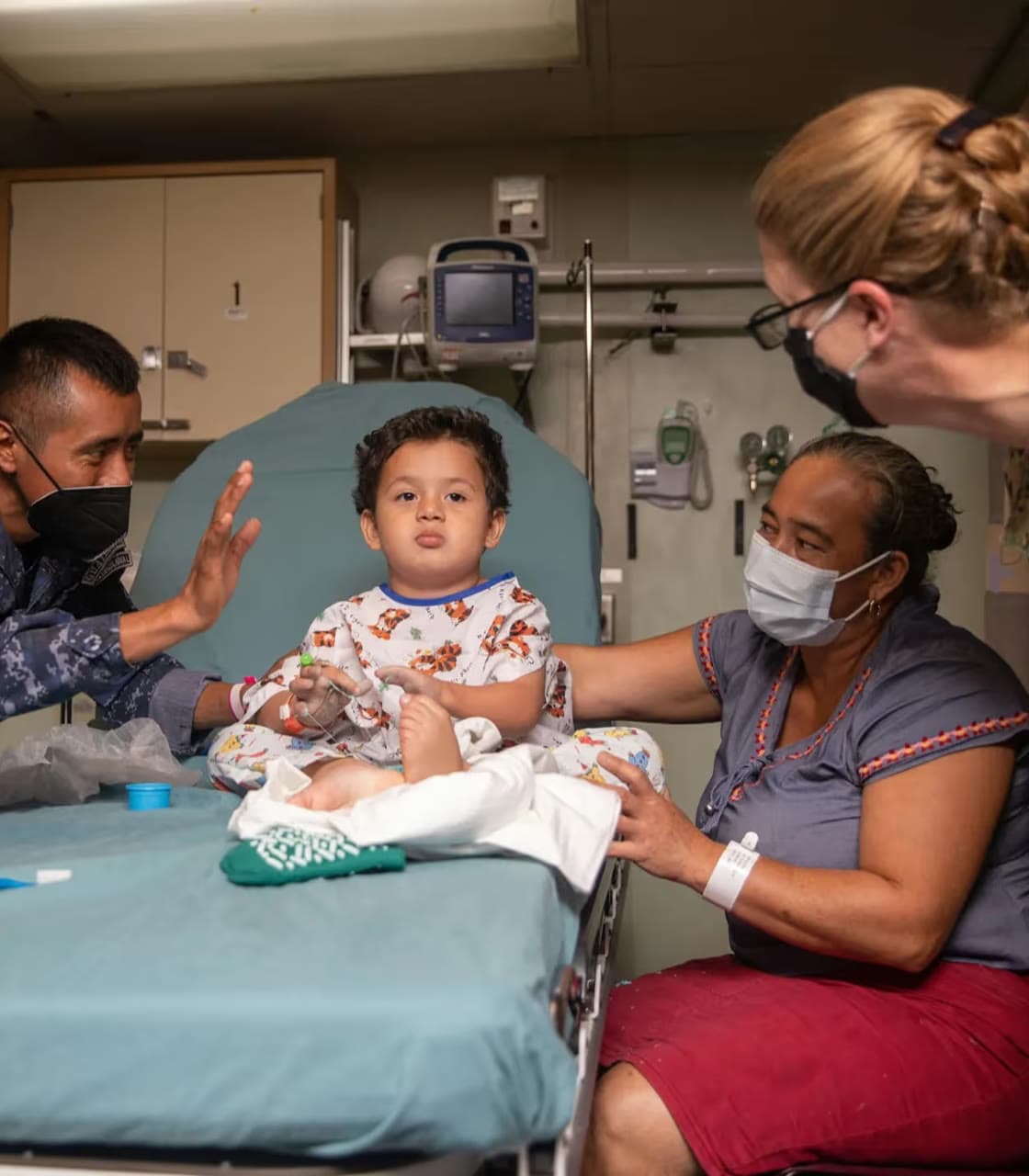
Mateo is three years old. He was born with a congenital heart defect. His parents were told he would need open-heart surgery, but the waiting list was long and the risks were real. What if there was a way to simulate his heart completely, understand exactly where and why the tissue wasn’t developing correctly, and find a path that guides his body to correct the defect on its own? No operating room. No scars. That is the kind of medicine we are building toward. Not because it sounds futuristic, but because children like Mateo deserve better than a waiting list.

Mateo

Billions of dollars.
Answers still missing.

A share of the billions spent on drug development goes to candidates that never become an approved treatment. Years of research can stop when the expected benefit doesn’t appear, or when serious safety problems emerge. Investing more doesn’t mean knowing more about what will happen.

Spent on the programs below, with disclosed figures alone

$19B+

Not one of them became a treatment.

$5.8B

Paid by AbbVie for Stemcentrx, the company behind Rova-T.

3 trials

Three failed trials in small cell lung cancer. No survival benefit in any.

3 years

From the 2016 acquisition to the end of the program in 2019.

Figures are acquisition prices or impairment charges disclosed by the companies. Development costs are typically not disclosed; where none is public, none is shown.

Advanced tools. Still an incomplete picture.

A drug changing the molecule it targets doesn’t mean it will stop the disease. A promising result in the lab may not find the same response in the human body. There’s a big difference between seeing a change in one part and knowing a person will get better.

Because the body doesn’t work as a set of independent parts. Interactions between cells and organs can change the outcome of an intervention. While the expected effect appears in one place, harm can emerge in another. When existing experiments can’t reflect all of these relationships, important problems only become visible in human studies.

Research earlier, instead of learning later.

That’s what we’re changing. With biological twins, we explore a treatment idea while it’s still being developed, across more connections, possible benefits, and risks. We direct time and resources to the candidates most worth testing. Not to skip experiments, but to arrive at them better prepared.

Not just trying more. Knowing better what to try.

Billions of possibilities.
One you.

Your body is a complex network whose parts affect one another. To stop a disease, or to start repairing damaged tissue, we have to understand those connections. But no one can hold every relationship in their head, or try every possible treatment one at a time.

That’s why we’re building your biological twin. It brings together what’s known about your genes, the proteins they produce, the non-coding regions of your DNA, your hormones, your metabolism, your epigenetics, and how you interact with your environment, in a single personal virtual model. With AI and biological simulation, it explores not only what’s happening in your body, but what an intervention could change.

We can’t run billions of trials in your body. Our goal is to test those possibilities in your biological twin. To compare drug candidates that have never been tried, combinations of treatments, and pathways that could set repair in motion. To predict earlier, for example, that a candidate targeting lung cancer might harm your heart, and to develop a different treatment for you. To take the promising candidates from the virtual world into real experiments, and make the model better with every result.

Our aim isn’t only to choose the treatment that fits you. It’s to develop a new one for you.

Meet your digital twin.

As yours as you are.

How your body looks is only part of the story. Our biological twin approach brings the information from your body together in a digital model that's unique to you. To explore how it works, what's changing, and what different interventions could mean for you. Because the goal isn't to build a copy of you. It's to open new possibilities for you.

Seeing the problem is the start.

Knowing where a tumor is matters. But why it developed there, how it interacts with the tissue around it, and what it might respond to are part of the story too. That's why we look closer. Not just to find the problem, but to understand where we can begin for you.

Not every option is an answer.

One approach may not change the problem enough. That's important information too. Sometimes a different target is needed, sometimes a different intervention, and sometimes a solution that hasn't been developed yet. What we want to explore on the model isn't only what shows promise. It's also where we need to look for another way.

We study a part. We consider the whole.

Looking closely shouldn't mean losing sight of the rest. To understand change in one region, the other characteristics of your body have to be taken into account. Our personal model approach exists to study these relationships together. To see not only what can be treated, but what needs to be protected.

One result doesn't tell the whole story.

Shrinking a tumor matters. But so does what happens in the rest of your body. An approach can act on its target while causing an unwanted change somewhere else. That's why we want to explore not only how effective it could be, but what it could cost you. So that easing one problem doesn't grow another.

So it means something in your life.

A more detailed model isn't the goal in itself. What matters is what this understanding could one day change in your life. Breathing more easily. Regaining a function that was lost. Being able to plan for the future again. That's where we look as we develop the biological twin approach. Beyond the model, your life.

Where we focus.

Behind every one of these is a moment someone remembers. The scan that changed a family’s year. The word a doctor said slowly. The morning a hand didn’t move the way it used to. We chose these areas because they hold the most waiting, and the most to give back.

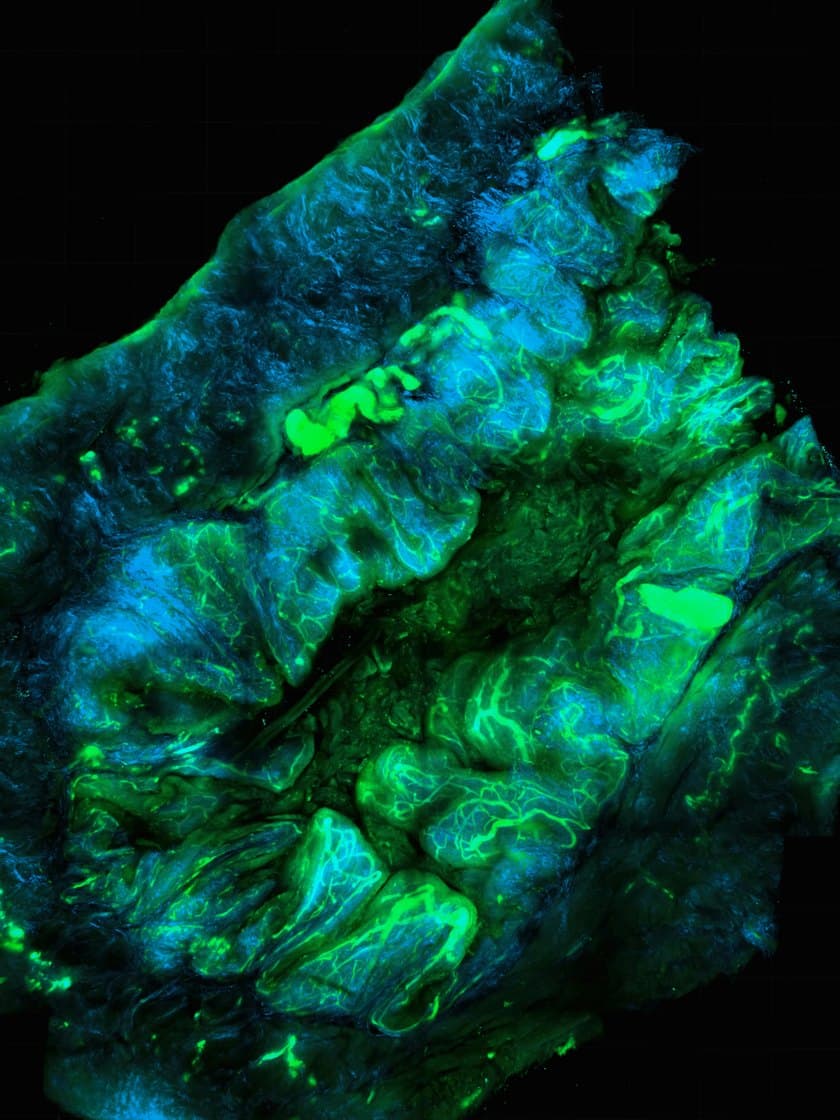
Cancer

Learn more

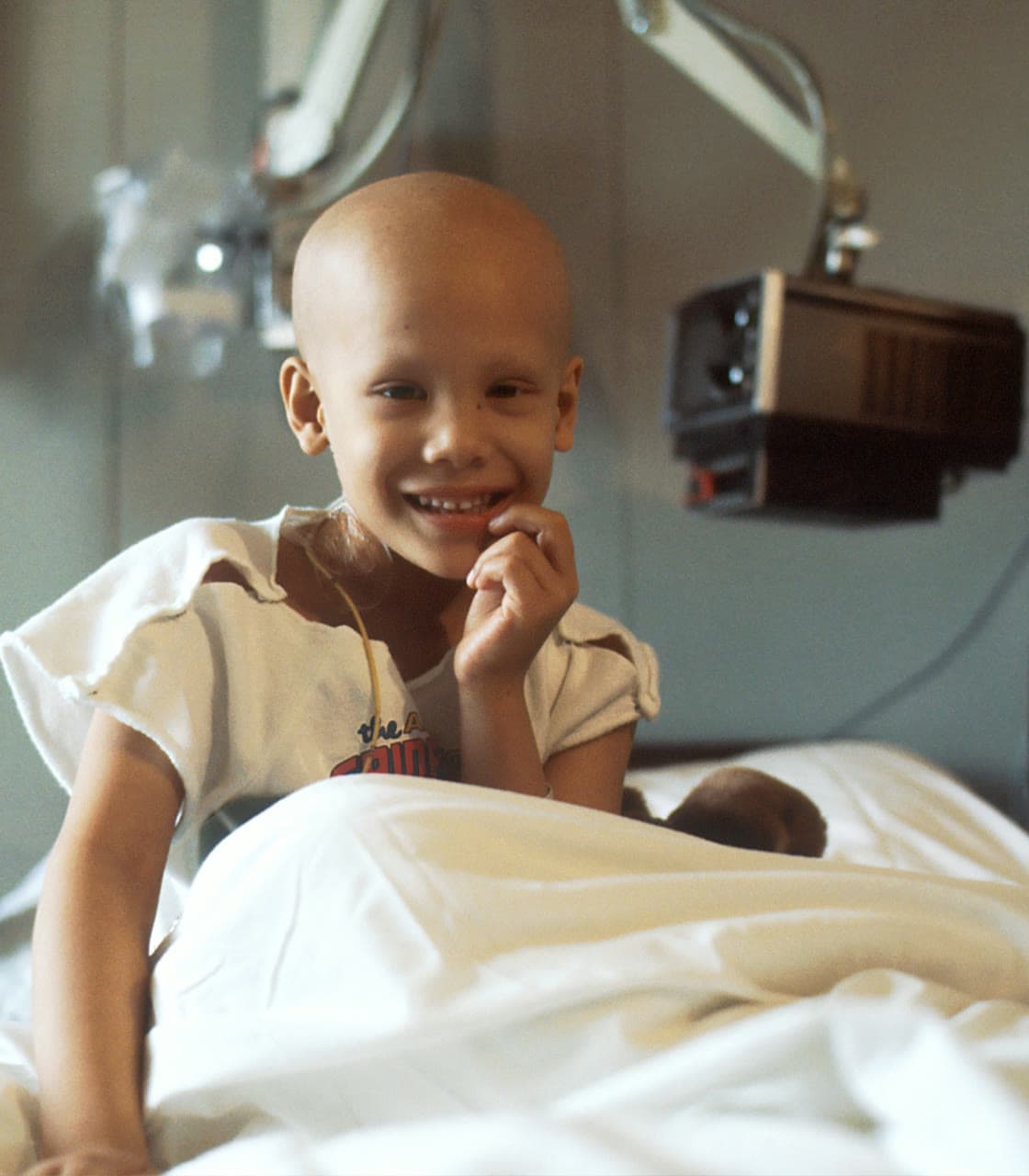
Target the tumor. Protect what’s healthy. We start from the biology of your cancer and build new treatment candidates around it. Then we study not only what each one does to the tumor, but what it does to the rest of you.

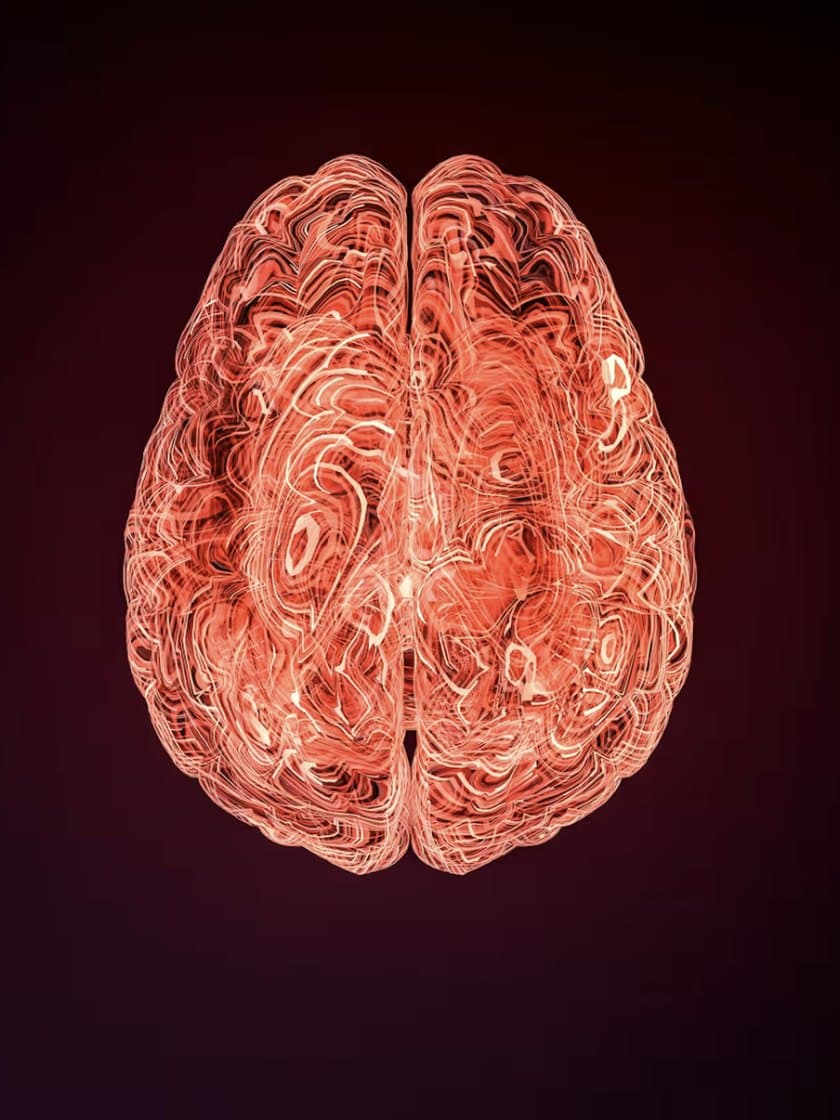
Brain and spinal cord

Learn more

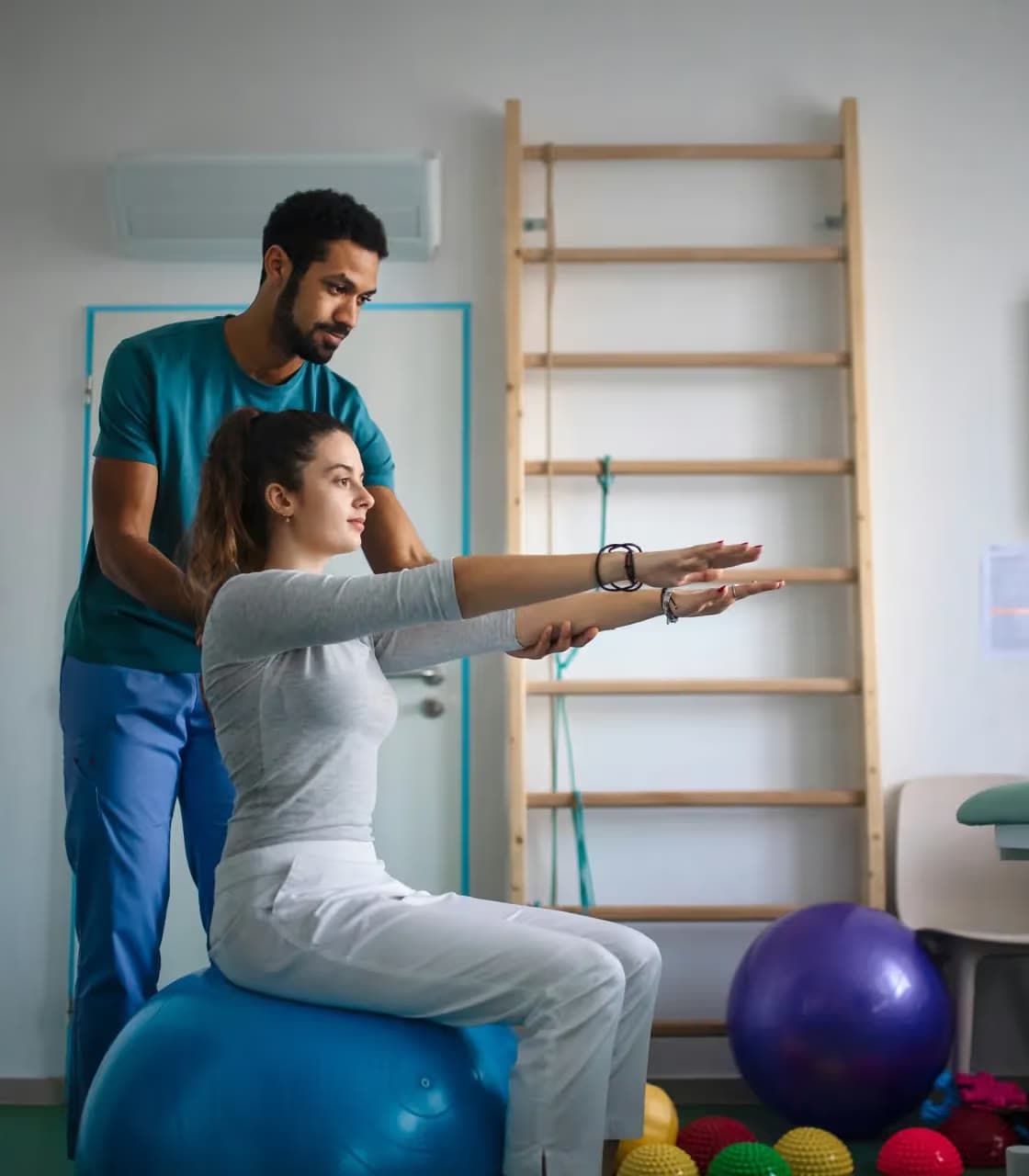
Ways to reconnect. In diseases and injuries of the nervous system, we study how damaged tissue repairs itself, and how to support it. From movement to sensation, we look for new paths back to lost function.

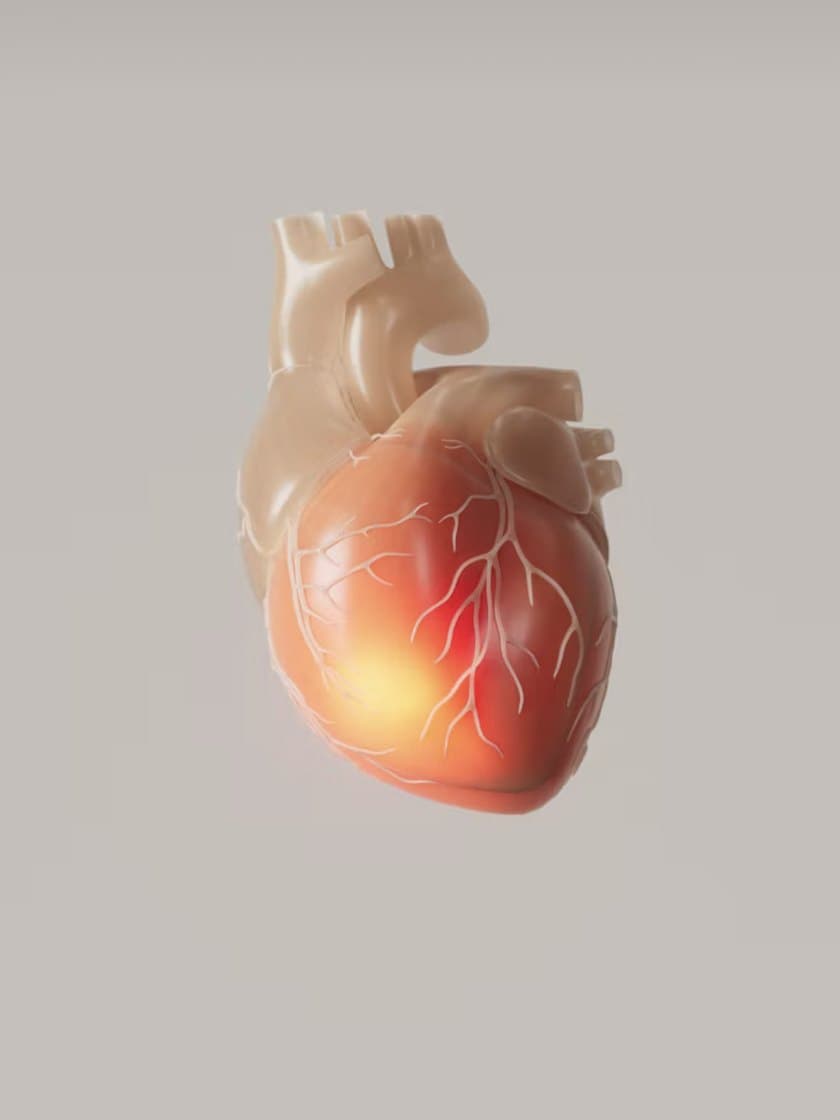
Heart and vessels

Learn more

More in every beat. We study heart and vascular disease within a person’s own biology, and look for new ways to intervene. Not only to stop the disease from progressing. To repair the tissue it has already damaged.

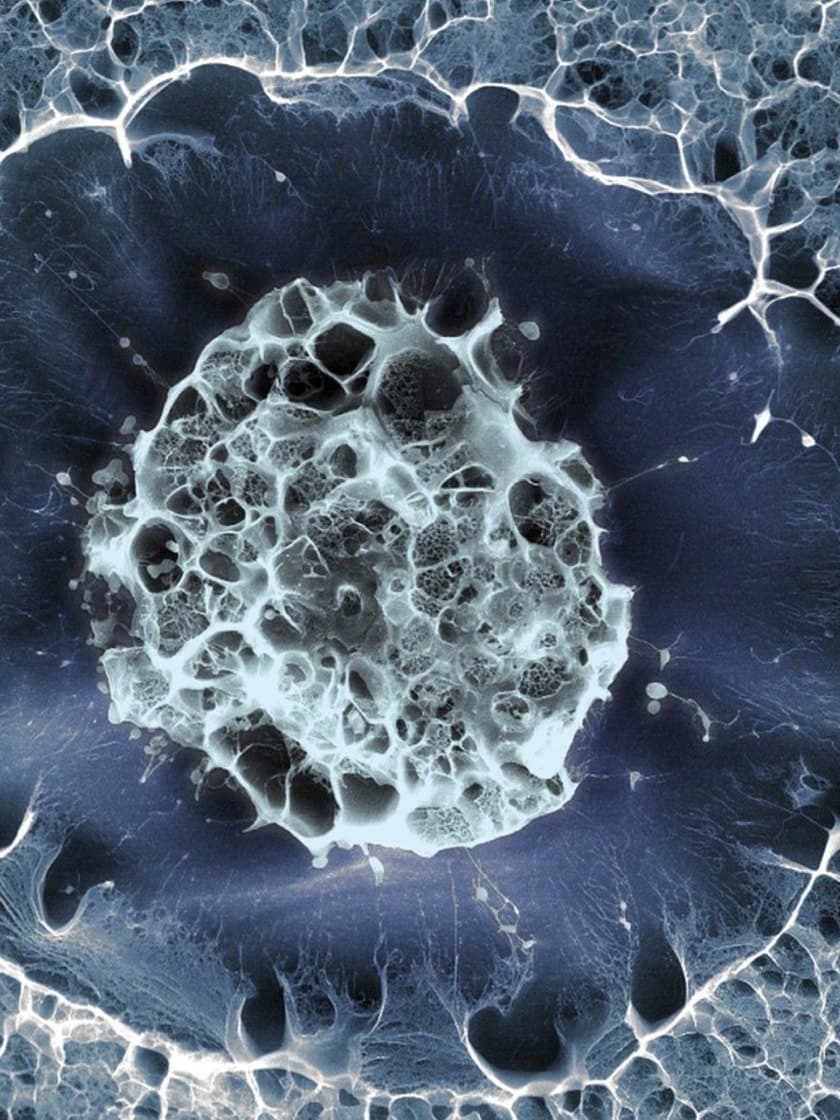
Organ and tissue repair

Learn more

Pushing the limits of repair. In the loss of organs, tissues, and limbs, we work on new biological paths to repair. Setting the body’s own repair processes in motion, and guiding them back toward function.

Rare and complex diseases

Learn more

Beyond ready answers. When existing options fall short, we start from the person’s biology. We map the processes that sustain the disease, and follow treatment paths no one has considered before.

More